
Wunder Mobility changelog
Release 49-2025 – OKAI Bluetooth support & B2B and Ops improvements
Highlights
Share OKAI Bluetooth tokens with service teams via the Operations API. This lets field technicians unlock unreachable OKAI vehicles locally via Bluetooth, avoiding towing and reducing downtime.
Enforce addition entitlements on booking and rental creation. The platform now automatically includes the additions a user or business account is entitled to, preventing invoice mismatches and manual corrections.
Mobile App
B2B
Fixed an issue where business bookings created via Request-a-Booking could not be opened because the business account context was missing. You can now open and handle these bookings normally.
Corrected the booking type label in the summary screen so business bookings created from Requests show the correct “Business” label instead of “Personal,” reducing confusion in support cases.
New Dashboard
General
Enabled multi-line Task descriptions, allowing operators to add structured notes, reducing misunderstandings in handover.
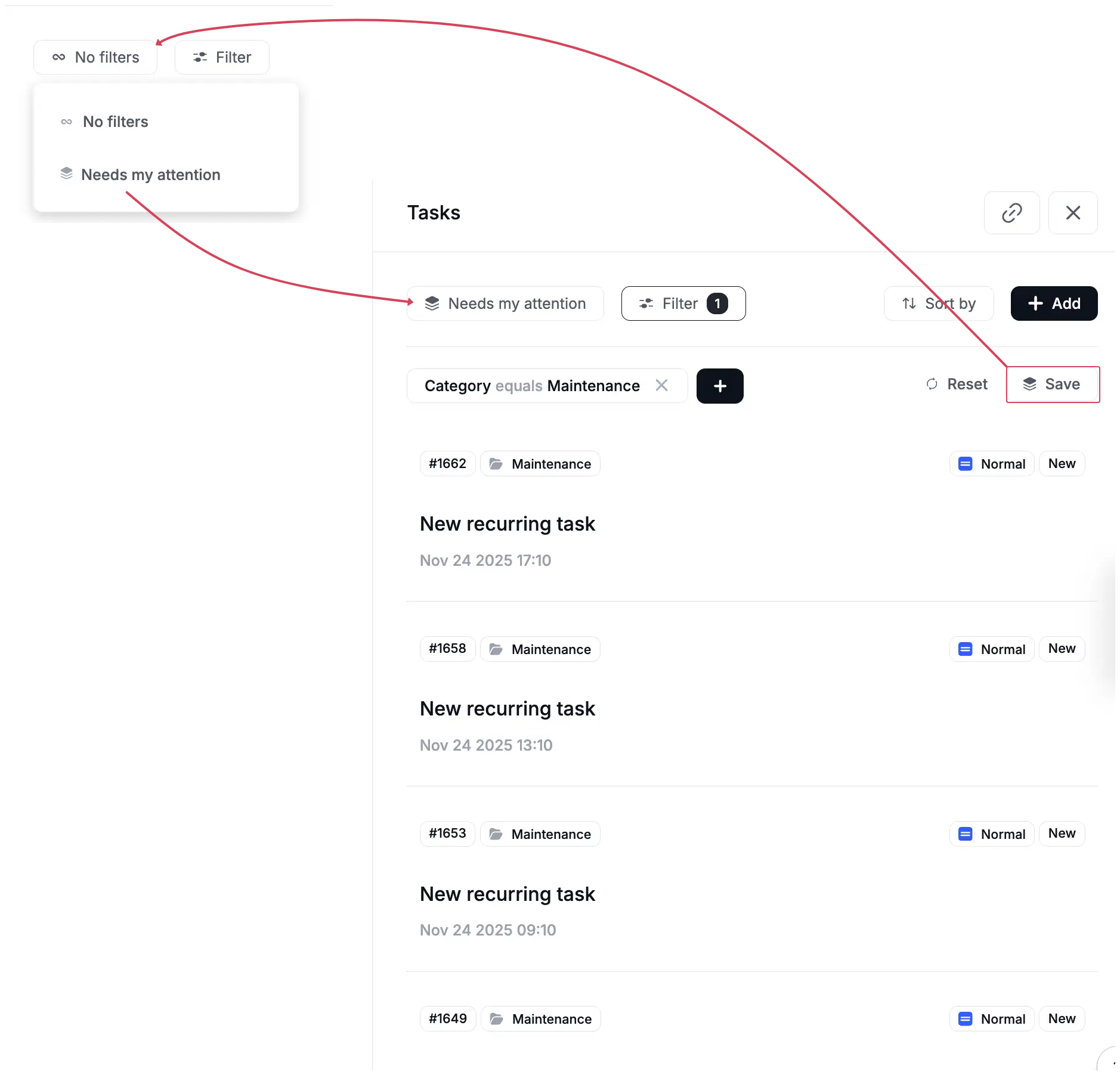
Fixed disappearing Task and Damage filter presets so saved filters persist across reloads and sessions, reducing repeated setup.
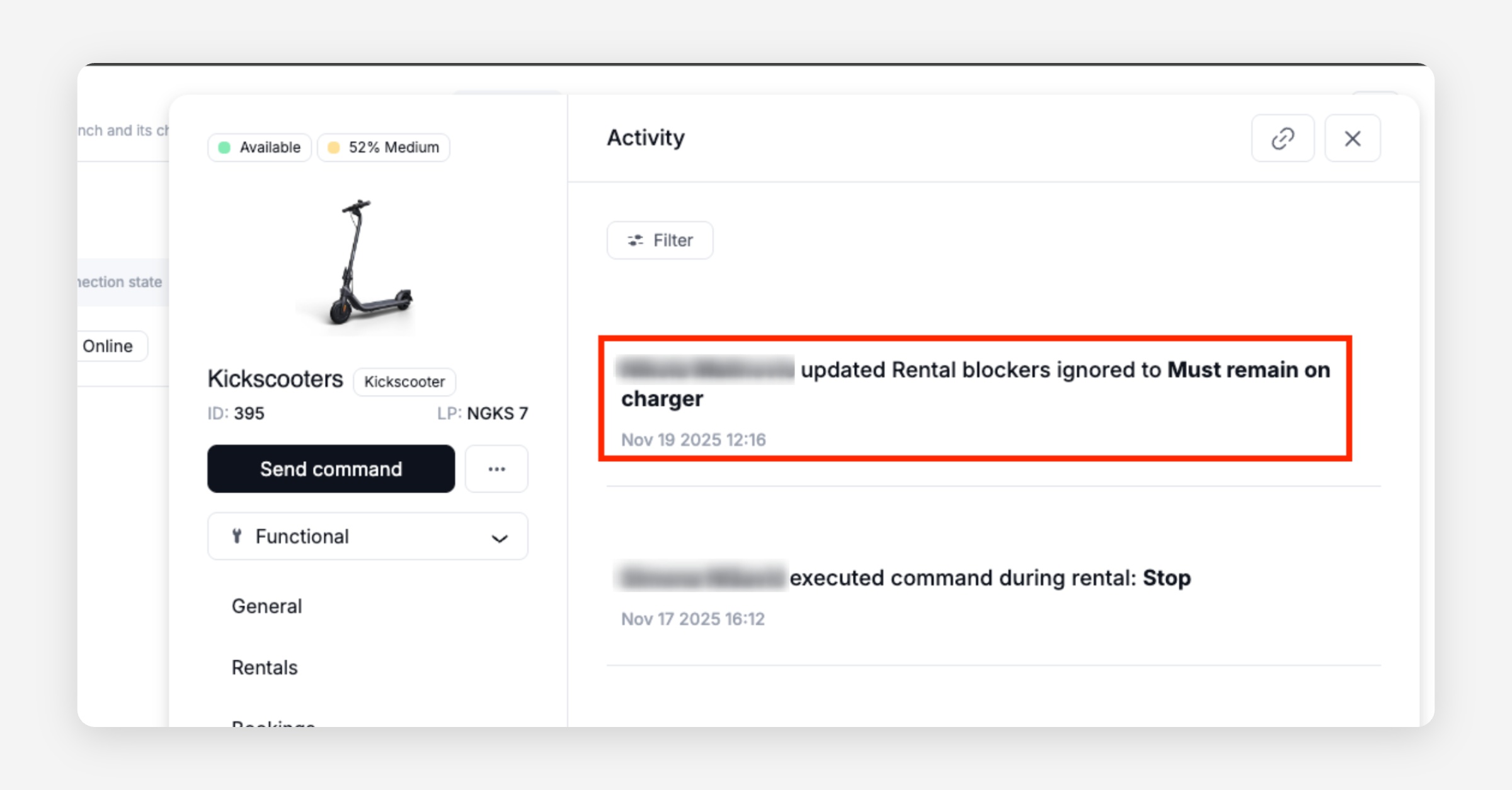
Vehicle Activity Log now records “Ignore charging restriction” actions, giving teams a clearer audit trail during charging interventions.
Platform
B2B
Enforced entitled additions for business accounts on booking and rental creation, ensuring contract-compliant extras and reducing invoice disputes.
Migration
We have integrated the newest INVERS OneAPI for CloudBoxx vehicles, reducing state-update delays from ~8 seconds to under 1 second. Operators see vehicle states almost instantly after actions, enabling quicker triage and more reliable fleet control.
API
General
Extended
invoice_createdwebhook payloads with totals and booking/rental references, simplifying finance integrations.Improved
vehicles/execute-commandAPI documentation with clearer parameters and examples, reducing 400-error confusion for integrators.
On-demand
Added an Operations API endpoint to fetch OKAI Bluetooth tokens, enabling field teams to unlock unreachable bikes directly via BLE.